 INDUSTRLAL electronic


Symptoms and replacement methods for AC capacitor faults: Quickly troubleshoot equipment issues
2026-10-08 14:12:01
If a motor fails to start, equipment speed is unstable, or the circuit emits abnormal noise and generates excessive heat, an AC capacitor fault is the likely cause. AC capacitors are components prone to wear and tear; prolonged operation, high temperatures, and overload conditions can lead to aging and failure. Prompt troubleshooting and replacement can quickly resolve these equipment issues.
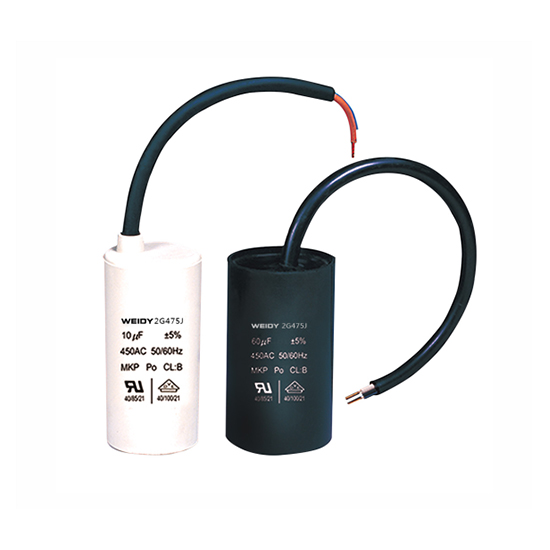
Common AC capacitor faults fall into three categories: first, capacitance degradation, resulting in weak motor startup and low operating speeds; second, leakage or bulging, causing severe circuit overheating and safety hazards; and third, total breakdown or failure, rendering the equipment unable to start. You can quickly determine if a capacitor has failed through visual inspection or by using a multimeter.
When replacing an AC capacitor, you must strictly match the original equipment's capacitance and voltage ratings; never use a capacitor with incompatible specifications, as this could burn out the motor circuit. Ensure the power is disconnected and the capacitor is discharged before replacement, following proper procedures to guarantee electrical safety. It is recommended to use brand-new, genuine AC capacitors with high temperature and voltage ratings; this ensures more stable equipment operation and a longer service life.
If you need assistance troubleshooting AC capacitor faults or identifying compatible replacement models, you are welcome to visit the Weidy factory for an on-site inspection, technical selection, sample coordination, and production capacity consultation.

 Scan code 5 seconds